Understanding Blood Pressure: What Your Numbers Actually Mean
Systolic, diastolic, and everything in between — a plain-language guide to reading your blood pressure, what the categories mean, and when to act.
Medical disclaimer: This article is for general education only and is not medical advice. It does not replace professional diagnosis or treatment. Always seek the advice of your physician or another qualified health provider with any questions about a medical condition. Never disregard professional advice or delay seeking it because of something you have read here.
Blood pressure is the single most commonly measured vital sign in medicine, and also one of the most misunderstood. Two numbers, a slash between them, and a surprising amount of confusion about what they mean for your health. This guide walks through the physiology, the categories clinicians use, how to measure correctly at home, and the steps that genuinely move the numbers.
What the two numbers mean
Every heartbeat has two phases. During systole, the heart's ventricles contract and push blood into the arteries — pressure peaks. During diastole, the heart relaxes and refills — pressure falls to its lowest point. A reading of 120/80 mmHg means a peak (systolic) pressure of 120 and a resting (diastolic) pressure of 80 millimetres of mercury.
Systolic pressure reflects how hard the heart must work with each beat and how stiff the arteries are. Diastolic pressure reflects the resistance of the small vessels when the heart is at rest. Both matter: large studies show that risk of stroke, heart attack, and kidney disease rises steadily with either number, starting well below the traditional "high" thresholds.
The categories clinicians use
Current major guidelines draw the lines roughly as follows for adults:
- Normal: below 120/80
- Elevated: systolic 120–129 with diastolic below 80
- Stage 1 hypertension: 130–139 systolic or 80–89 diastolic
- Stage 2 hypertension: 140+/90+ or higher
A single high reading is not a diagnosis. Blood pressure fluctuates through the day with stress, caffeine, exercise, sleep, and even conversation. Clinicians diagnose hypertension from repeated readings on separate days, or increasingly from averaged home readings and 24-hour ambulatory monitoring, which predicts risk better than office readings alone.
Why home measurement beats the clinic
"White-coat hypertension" — higher readings in a medical setting than at home — affects a large fraction of people with borderline numbers. Conversely, some people have normal office readings but high home readings ("masked hypertension"), which carries real risk and is only caught at home.
To measure well at home:
- Sit with back supported, feet flat, arm supported at heart level.
- Rest quietly for five minutes first — no talking, no phone.
- Use a validated upper-arm cuff of the correct size; wrist cuffs are less reliable.
- Avoid caffeine, exercise, and smoking for 30 minutes beforehand.
- Take two readings a minute apart and record both, morning and evening, for a week — then average, discarding day one.
Bring the log, not a single number, to your appointment.
What actually lowers blood pressure
No supplement or gadget has the evidence base of these five interventions:
- Sodium reduction. Most adults consume far more than the roughly 1,500–2,300 mg/day targets. Cutting processed foods moves systolic pressure several points in most people.
- The DASH eating pattern. Rich in fruits, vegetables, whole grains, and low-fat dairy, it lowers pressure comparably to a single medication in trials.
- Aerobic exercise. About 150 minutes per week of brisk walking or equivalent typically drops systolic pressure 5–8 mmHg.
- Weight. Each kilogram lost lowers systolic pressure roughly 1 mmHg on average.
- Alcohol and sleep. Heavy drinking raises pressure; treating sleep apnoea often produces striking improvements.
Medication, when needed, is not failure — it is risk management. Modern first-line drugs are cheap, well-tolerated, and prevent strokes. The goal is controlled pressure with the fewest side effects, found by titration with your clinician.
When to seek care promptly
Most hypertension is silent, which is exactly why it is dangerous. Seek urgent evaluation for chest pain, sudden severe headache with neurological symptoms, vision changes, or shortness of breath alongside very high readings (for example above 180/120). Otherwise, book a routine visit, bring your home log, and start the conversation early — the earlier pressure is controlled, the less arterial damage accumulates.
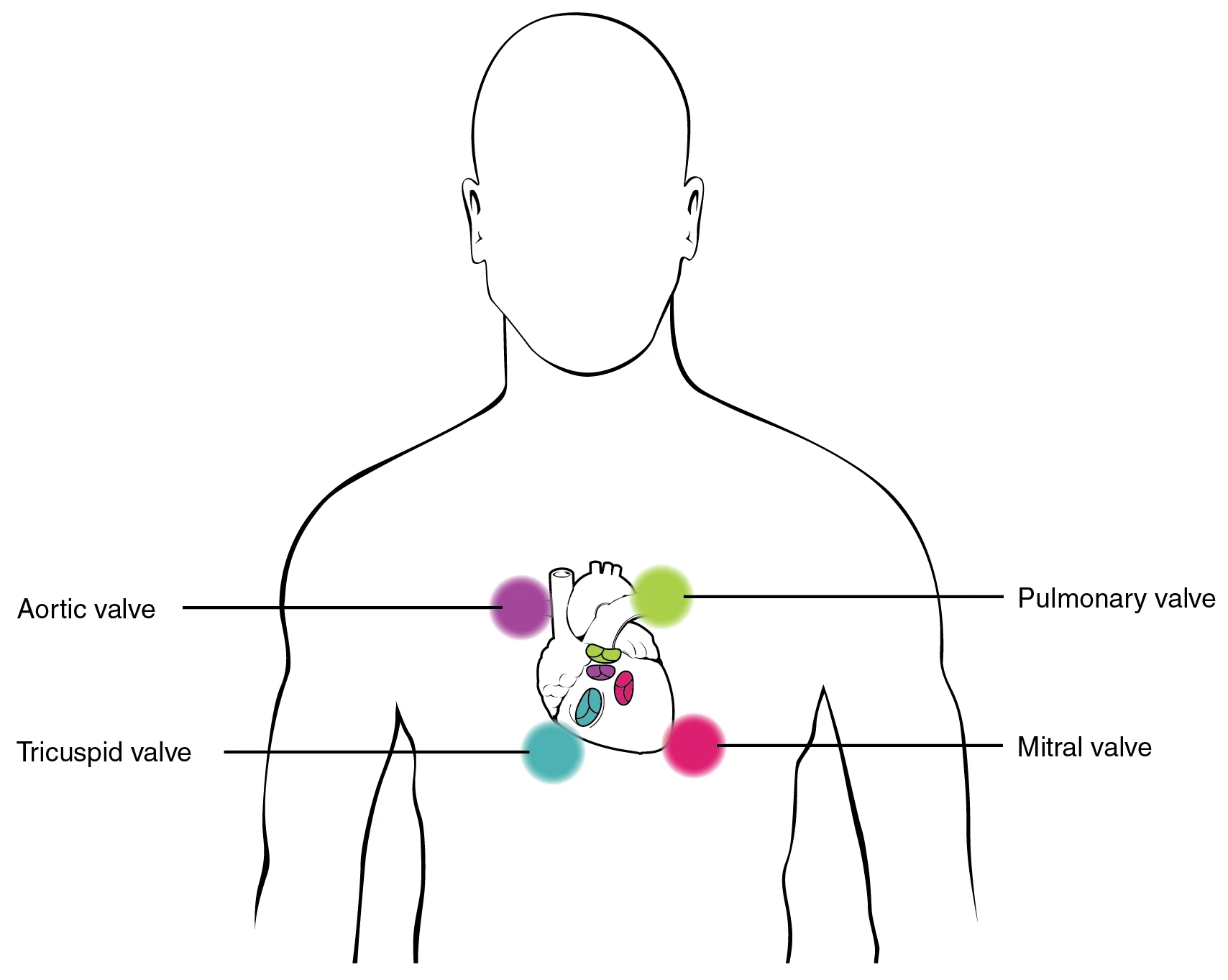
Cover image: Wikimedia Commons — stethoscope placement illustration.
The creator hasn't set a payout wallet yet — tipping unlocks in admin settings.